What to Expect from Pet Dental Surgery at Houston Veterinary Clinic

What to Expect from Pet Dental Surgery at Houston Veterinary Clinic
Is your beloved pet struggling with dental issues or has your veterinarian mentioned the possibility of pet dental surgery? As a caring pet owner in Warner Robins, you want the very best for your companion’s comfort and long-term health. At Houston Veterinary Clinic, located at 109 Avalon Circle, Warner Robins, GA 31093, we understand these worries. Our veterinary professionals are dedicated to providing gentle, expert dental care for pets throughout Warner Robins and surrounding communities.
This blog will guide you through every step of the pet dental surgery process, from recognizing the signs your pet might need oral care, to understanding what happens during dog and cat oral surgery in Warner Robins, and finally, how to support your pet’s smooth recovery at home. You will also find tips for prevention, learn when to seek help, and discover how our team partners with you for lifelong dental health. If you have questions about dental cleanings or surgical procedures, we encourage you to explore our pet dental surgery and oral surgery services for more information.
When you are searching for a dental vet near me or reliable veterinary services near me, Houston Veterinary Clinic is here to support you and your pet with the highest standard of care.
Recognizing Dental Problems in Pets: Signs Your Pet May Need Dental Surgery
Dental disease is more common in pets than many owners realize. Over time, plaque and tartar can build up below the gum line, leading to discomfort, tooth decay, and even infection. It is often difficult for pet owners to spot the subtle signs of oral pain, so knowing what to watch for is essential.
Key symptoms that may indicate your pet needs dental attention include persistent bad breath, visible tartar on the teeth, red or swollen gums, bleeding from the mouth, and difficulty eating or chewing. You may also notice your pet pawing at the mouth, dropping food, or showing less interest in toys and treats. In some cases, pets become withdrawn or irritable due to chronic discomfort. For cats, oral health issues can sometimes appear as drooling, decreased grooming, or sudden weight loss.
If you observe any of these changes, especially if they develop quickly or worsen over time, it is important to schedule an appointment for a professional evaluation. Early detection and intervention can help prevent more serious complications that might require advanced dog cat oral surgery in Warner Robins.
Why Dental Issues Develop: Understanding the Causes
Just like people, pets are susceptible to dental problems for a variety of reasons. The most common cause is the accumulation of bacteria-rich plaque, which hardens into tartar and leads to periodontal disease. Diet, genetics, age, and lack of regular dental care all play roles in the development of oral disease.
Certain breeds are more prone to dental challenges, especially small dogs and some cats, due to the structure of their mouths. Additionally, pets with immune system issues or chronic illnesses may be at greater risk for oral infections. In the humid climate of Warner Robins, bacteria thrive, which can contribute to faster plaque formation if regular dental hygiene is not maintained.
Sometimes, dental issues arise suddenly due to trauma, fractured teeth, or oral growths. These situations can quickly become painful and may require prompt dog cat oral surgery in Warner Robins to restore comfort and function. By understanding these factors, you can take proactive steps to protect your pet’s oral health.
What Happens During Pet Dental Surgery at Houston Veterinary Clinic
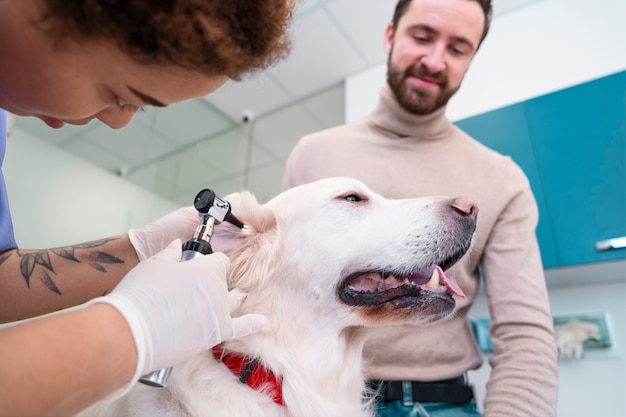
When your pet requires dental surgery, you deserve to know what to expect every step of the way. At Houston Veterinary Clinic, our experienced veterinary team provides thorough pre-surgical assessments to ensure your pet is a safe candidate for anesthesia and dental procedures. This includes a physical examination, bloodwork, and sometimes digital radiographs to evaluate the extent of dental disease.
During the procedure, your pet will receive gentle anesthesia to keep them comfortable and pain-free. Our veterinarians use specialized tools to remove plaque and tartar, clean below the gum line, and assess each tooth for damage. If extractions are necessary, we take great care to minimize discomfort and preserve as much healthy tissue as possible. Oral surgery may also involve repairing fractured teeth, removing oral masses, or treating advanced periodontal disease.
Throughout the entire process, your pet’s well-being is our top priority. We use monitoring equipment to track vital signs and provide appropriate pain management tailored to your pet’s needs. After the procedure, your pet is carefully observed as they wake up, ensuring a smooth and safe recovery.
If you would like to understand more about the procedures involved, we invite you to read about our pet dental surgery and oral surgery services for a detailed overview. We also offer routine professional pet dental cleaning services to help prevent more invasive treatments.
Recovery and Home Care After Dog or Cat Oral Surgery in Warner Robins
After dental surgery, your pet will need some time and care at home to heal fully. Most pets recover quickly, but the experience can be uncomfortable for a few days, especially if extractions or more extensive surgery were required. Our veterinary professionals will provide you with detailed discharge instructions tailored to your pet’s specific needs.
Key aspects of recovery include monitoring your pet for signs of pain, swelling, or unusual bleeding. You may notice that your pet is quieter than usual or prefers soft foods while their mouth heals. Feeding a soft or canned diet, ensuring fresh water is always available, and preventing your pet from chewing on hard toys or treats will promote healing. It is important to administer any prescribed medications exactly as directed and to keep all follow-up appointments so we can monitor progress and address any concerns.
You play a vital role in your pet’s recovery. Keeping your pet calm, comfortable, and indoors during the initial days after surgery helps avoid complications. If you notice persistent drooling, refusal to eat, or signs of distress, contact our veterinary team promptly for advice. Our goal is to ensure every pet returns to their happy, healthy self as quickly as possible after dog cat oral surgery in Warner Robins.
Preventing Dental Problems: Home Care and Professional Help
Prevention is the foundation of lifelong oral health for pets. At-home dental care, combined with regular veterinary visits, significantly reduces the risk of painful dental disease. Brushing your pet’s teeth daily or several times a week with pet-safe toothpaste is the most effective strategy. Additionally, dental diets, chews, and water additives can help control plaque buildup.
However, even the best home care cannot replace the benefits of professional cleanings. Scheduling routine professional pet dental cleaning services at Houston Veterinary Clinic ensures that any emerging issues are caught early and that your pet’s mouth is thoroughly cleaned above and below the gum line. Our veterinarians can provide tailored recommendations based on your pet’s age, breed, and risk factors.
For pet owners searching for a dental vet near me or veterinary services near me, choosing a clinic with a comprehensive approach to dental care is essential. We are committed to educating clients in Warner Robins and surrounding communities about the best ways to protect their pets’ teeth year-round.
When to Seek Veterinary Care for Your Pet’s Dental Issues
Knowing when to seek professional help can make all the difference in your pet’s comfort and health. If your pet displays signs such as persistent bad breath, difficulty eating, facial swelling, red or bleeding gums, or sudden changes in behavior, it is time to call your veterinarian. Delaying care can allow minor problems to progress to severe infections or systemic health issues.
If you are concerned that your pet may need dog cat oral surgery in Warner Robins, or if you are unsure whether a professional evaluation is necessary, our veterinary professionals are here to help. Scheduling an appointment allows us to assess your pet’s needs and discuss treatment options tailored to your pet’s unique situation.
In urgent cases, such as traumatic injury, excessive bleeding, or inability to eat or drink, immediate evaluation is crucial. Never attempt to treat dental problems at home without veterinary guidance, as this can cause harm or delay necessary care. Our team at Houston Veterinary Clinic is always available to answer questions and provide support for all your pet’s dental care needs.
Compassionate Dental Care for Pets in Warner Robins: Schedule with Houston Veterinary Clinic
Your pet’s comfort and well-being are our top priorities at Houston Veterinary Clinic. Whether your pet needs a routine cleaning or more advanced pet dental surgery in Warner Robins, you can trust our team of veterinarians to provide gentle, expert care every step of the way. We believe that strong partnerships with pet owners and preventive care are the keys to a lifetime of healthy smiles.
If you are searching for a vet near me or want to learn more about dental vet services in Warner Robins, we invite you to contact us for a consultation. Our veterinary professionals are happy to answer your questions, discuss your pet’s needs, and help you make informed decisions about their oral health. For more details on our dental services, please see our pet dental surgery and oral surgery services and professional pet dental cleaning services.
To schedule an appointment, call (478) 929-0361 or visit us at 109 Avalon Circle, Warner Robins, GA 31093. Discover why so many families trust us for dog cat oral surgery in Warner Robins and comprehensive veterinary services near me. Together, we can ensure your pet enjoys a happy, healthy life—one smile at a time.
This blog is for informational purposes only and should not replace professional veterinary care. Always consult your veterinarian for specific advice regarding your pet’s dental health.