Thanksgiving Pet Safety Tips for Cats and Dogs

Thanksgiving Pet Safety Tips for Cats and Dogs
Thanksgiving is a cherished time to gather with friends and family, enjoying delicious meals and creating lasting memories. For many in Warner Robins and the surrounding communities, this celebration also includes our beloved cats and dogs. As you prepare for the holiday festivities, it is important to keep in mind that some Thanksgiving traditions can pose unexpected risks to your pets. At Houston Veterinary Clinic, located at 109 Avalon Circle, Warner Robins, GA 31093, our team of veterinarians is dedicated to helping you create a safe, stress-free holiday for your furry family members. In this guide, you will discover practical vet-approved tips for avoiding food hazards, managing pet stress during gatherings, and preventing the most common Thanksgiving emergencies for both cats and dogs. Whether you are a seasoned pet owner or celebrating your first holiday with a new companion, these tips will help ensure everyone enjoys the festivities in good health. If you ever have concerns during the holiday, our veterinary professionals are here to support you with comprehensive care.
Recognizing Holiday Hazards for Cats and Dogs
Thanksgiving brings a whirlwind of activity to your home, from tempting aromas in the kitchen to extra guests and bustling excitement. For your cat or dog, these changes can be overwhelming or even dangerous if certain precautions are not taken. Key signs that your pet may be struggling during the holiday include hiding, refusing to eat, vomiting, diarrhea, excessive drooling, or sudden changes in behavior such as restlessness or aggression. Cats may retreat to quiet corners or stop eating, while dogs might beg at the table, scavenge dropped food, or show signs of stomach upset. Being mindful of your pet’s normal behavior and noting any sudden changes is essential, especially during the busy Thanksgiving season.
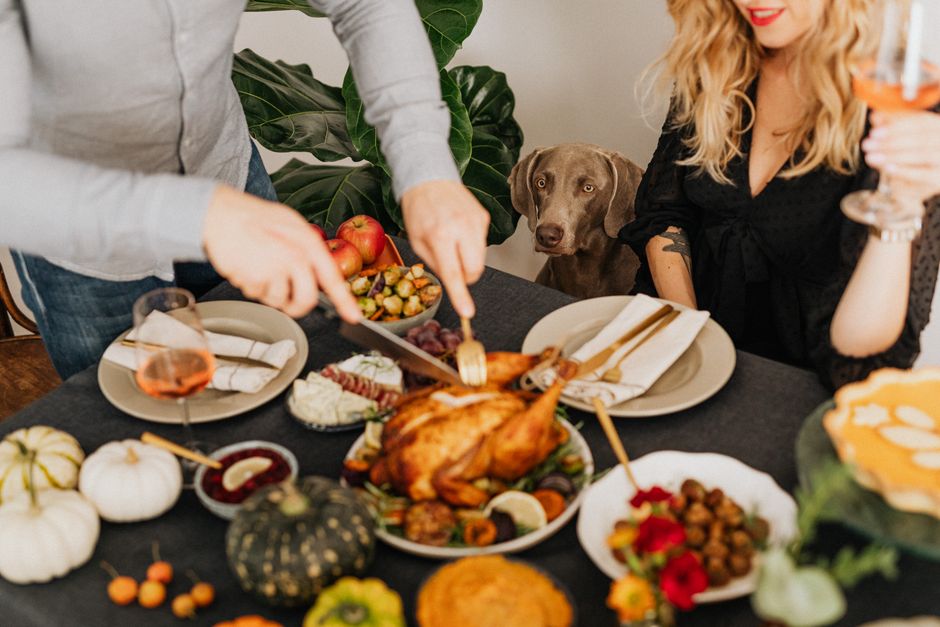
Certain foods commonly served on Thanksgiving can be particularly hazardous to pets. Common culprits include turkey bones, fatty skin, dishes containing onions or garlic, grapes and raisins, chocolate, and desserts sweetened with xylitol. Even well-meaning guests may not realize that sharing table scraps can lead to digestive upset, pancreatitis, or more serious health emergencies. Additionally, the increased foot traffic and noise can cause anxiety for some pets, leading to hiding, shaking, or even attempts to escape out open doors.
Why Thanksgiving Poses Unique Risks for Pets
Thanksgiving traditions combine a variety of risks that are not as common during other times of the year. Rich, fatty foods are more abundant and often left within reach on counters or tables, making it easier for curious pets to sneak a taste. The presence of visitors can distract you from your usual pet-safety routines; for example, doors may be left open, or food may be dropped on the floor without notice.
Many traditional dishes contain ingredients that are toxic to cats and dogs. Turkey bones, both cooked and raw, can splinter and cause choking or intestinal blockage. Stuffing, casseroles, and gravies often contain onions, garlic, or chives, all of which are dangerous for pets. Grapes and raisins, frequently found in salads and desserts, can cause kidney failure, especially in dogs. Desserts with chocolate or xylitol (a sugar substitute) are highly toxic and can be fatal in small amounts.
Beyond food, the hustle and bustle of guests, changes in routine, and unfamiliar noises can lead to stress or anxiety for your pets. This may result in behavioral changes or even attempts to escape, increasing the risk of injury or getting lost. Decorations such as candles, floral arrangements, and holiday plants can also pose a risk if chewed or knocked over.
How to Keep Your Pets Safe: Management and Prevention Tips
Creating a pet-safe environment during Thanksgiving involves a combination of supervision, preparation, and communication with your guests. To prevent food-related emergencies, keep all holiday dishes and ingredients well out of reach, and never leave plates unattended on low tables or counters. Remind guests and children not to feed your pets from the table, and if possible, provide a list of safe treats they can offer instead; small amounts of plain cooked turkey (no bones, skin, or seasoning), plain green beans, or a favorite commercial pet treat are good options.
Set up a quiet, comfortable area away from the main festivities where your cat or dog can retreat if they feel overwhelmed. This could be a bedroom or a crate with familiar bedding, toys, and fresh water. For cats, ensure their litter box is in a low-traffic area so they do not feel stressed about using it. Provide your pets with extra exercise and attention before guests arrive to help them feel more relaxed.
Keep trash cans secured and out of reach, as pets are often tempted to rummage through leftovers. Watch for signs of stress, such as pacing, whining, hiding, or changes in appetite. For pets with known anxiety, talk to your veterinarian in advance about strategies to keep them calm, which may include pheromone diffusers, calming treats, or prescribed medications.
Common Thanksgiving Emergencies and What to Do
Despite your best efforts, accidents can still happen during the holiday. Some of the most common emergencies we see at Houston Veterinary Clinic during Thanksgiving include gastrointestinal upset from eating fatty or toxic foods, foreign body obstruction from bones or other objects, and stress-related issues such as hiding or refusing food.
Warning signs that indicate a pet emergency include persistent vomiting or diarrhea, sudden loss of appetite, bloating or a distended abdomen, difficulty breathing, excessive drooling, weakness, or collapse. Dogs may experience acute pancreatitis, which presents as vomiting, stomach pain, and lethargy after ingesting fatty foods. Cats that hide and stop eating for more than a day can be at risk for serious conditions like hepatic lipidosis. If you notice any of these symptoms, it is important to act quickly.
For guidance on specific symptoms, you can refer to our resources on vomiting and diarrhea in dogs and hiding and not eating in cats. If you are ever unsure, err on the side of caution and contact our veterinary team immediately. Fast intervention can make all the difference in a successful outcome.
Preventive Steps for a Safe and Happy Holiday
Proactive steps can go a long way in preventing Thanksgiving mishaps for your pets. Start by planning your menu with pet safety in mind, keeping all hazardous foods out of reach during meal prep and clean-up. Communicate with your guests about your pet’s needs and boundaries, making it clear which foods are off-limits and inviting them to help keep doors and gates closed.
Provide your cat or dog with plenty of mental enrichment during the day, such as puzzle feeders, interactive toys, or extra playtime. If your pet tends to be nervous with visitors, gradually acclimate them to increased activity in the days leading up to the holiday. For pets with a history of food allergies or sensitivities, be extra vigilant about what they have access to, and keep their regular diet consistent.
On Thanksgiving Day, supervise interactions between pets and young children to avoid accidental rough play or food sharing. After the meal, promptly clear the table and dispose of bones, scraps, and packaging in a secure trash can. If you are traveling, make arrangements for your pet’s care and ensure their identification tags and microchip information are current.
When to Seek Veterinary Care During Thanksgiving
It is always better to be cautious when it comes to your pet’s health, especially during busy holidays when access to veterinary care may be affected by altered schedules. You should contact our team if your cat or dog experiences persistent vomiting or diarrhea, refuses food for more than a day, shows signs of abdominal pain, or ingests any food you know to be toxic. If your pet becomes lethargic, collapses, has trouble breathing, or if you suspect a foreign object has been swallowed, seek immediate veterinary attention.
Our veterinarians at Houston Veterinary Clinic are committed to providing timely and compassionate care for your pets, even during holiday weeks. If you need advice or an appointment, call our team at (478) 929-0361 for guidance. For more information on what symptoms require urgent attention, visit our page on emergency veterinary care.
Remember that fast action can often prevent a minor issue from becoming a major emergency, so never hesitate to reach out if you are concerned.
Creating a Safe and Joyful Thanksgiving for Your Pets
Thanksgiving is a wonderful opportunity to celebrate with all members of your family, including your cats and dogs. By understanding the risks, preparing your home, and communicating with guests, you can keep your pets safe and comfortable throughout the festivities. If you ever find yourself searching for a veterinarian near me during the holidays, know that Houston Veterinary Clinic in Warner Robins is ready to help.
Our veterinary professionals are here to provide wellness exams, urgent care, and pet health advice all year round. Schedule an appointment by calling (478) 929-0361, and let us partner with you to keep your pets healthy and happy this Thanksgiving and beyond. For additional peace of mind, explore our resources on emergency veterinary care and holiday safety tips. From our family to yours, we wish you and your pets a safe, joyful, and memorable Thanksgiving!