How to Keep Your Pet Hydrated: Tips for Warner Robins Owners

How to Keep Your Pet Hydrated: Tips for Warner Robins Owners
As a pet owner in Warner Robins, you want your dog or cat to stay healthy, happy, and full of energy throughout the year. One of the most important factors for your pet’s wellbeing is proper hydration, yet many owners are unsure about how to keep their pets hydrated—especially as seasonal changes and daily routines shift. At Houston Veterinary Clinic on 109 Avalon Circle, Warner Robins, GA 31093, our veterinary team sees firsthand how dehydration can sneak up on pets and lead to serious health concerns. In this blog, we’ll answer your questions about how to keep your pet hydrated, explain why water is so critical for your pet’s health, offer practical tips for daily hydration, and help you recognize when it’s time to call your veterinarian for help.
Whether you’re dealing with the lingering Georgia heat, increased indoor time during cooler months, or a pet that simply seems uninterested in drinking water, understanding hydration is key to proactive pet care. Let’s explore how you can ensure your pet gets the water they need to thrive all year long.
Recognizing Dehydration in Pets: Signs Every Owner Should Know
Understanding how to keep your pet hydrated starts with knowing the signs that your dog or cat may not be getting enough water. Dehydration can affect pets differently, but there are some common symptoms to watch for. These might include lethargy, a dry or sticky-feeling mouth and gums, sunken eyes, reduced skin elasticity, and a noticeable decrease in urination. In more severe cases, your pet may start panting excessively, lose interest in food, or even collapse. Cats can be especially subtle about showing dehydration; sometimes, you might only notice increased thirst or changes in their litter box habits.
If you observe any of these signs, it’s important to act quickly. Mild dehydration can often be managed at home, but moderate to severe symptoms require prompt veterinary attention. Keep in mind that signs like vomiting and diarrhea can also lead to dehydration very rapidly, especially in smaller or older pets. If your dog has been experiencing digestive upset, you can find more information about how this affects hydration on our page about vomiting and diarrhea in dogs.
Why Hydration Matters: The Role of Water in Your Pet’s Health
Water is crucial for every function in your pet’s body. It helps regulate temperature, supports digestion, transports nutrients, cushions joints, and flushes toxins from vital organs. Without enough water, your pet’s body can’t perform these essential tasks, which is why dehydration can quickly become life-threatening if left unaddressed.
Several factors can increase your pet’s risk of dehydration. The hot and humid climate in Warner Robins means pets lose more water through panting and evaporation, particularly during summer and early fall. Even during milder months, dry indoor air from heating systems can cause pets to lose moisture without you realizing it. Pets with chronic illnesses like kidney disease, diabetes, or thyroid problems are also more prone to dehydration, as are those taking certain medications that increase urine output.
Understanding your pet’s unique needs is key. For example, active dogs that spend a lot of time outdoors or cats that eat primarily dry kibble will naturally require more water than less active pets or those on wet food diets.
How to Keep Your Pet Hydrated: Practical Tips for Warner Robins Owners
When considering how to keep your pet hydrated, it helps to approach the issue from several angles—routine, environment, and diet. The most fundamental step is ensuring your pet has constant access to fresh, clean water. Change the water bowl daily, and scrub it out every few days to prevent bacteria buildup. Some pets are picky about the taste or temperature of their water; try offering filtered water or adding a couple of ice cubes, especially during hot weather.
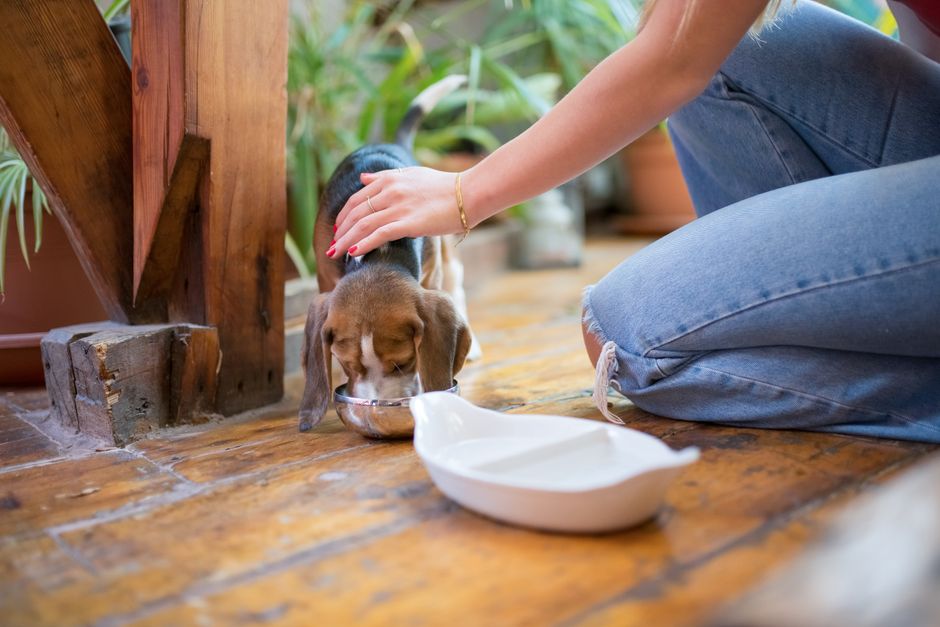
The type of bowl can also make a difference. Stainless steel or ceramic bowls are less likely to harbor bacteria than plastic ones, and some pets prefer wide, shallow dishes that don’t touch their whiskers. For cats, water fountains that keep water moving can be particularly enticing and may encourage them to drink more.
Diet plays a major role as well. If your pet eats only dry food, consider adding a little water to their kibble or supplementing with canned food, which has a much higher moisture content. You can also offer occasional pet-safe broths (without onions, garlic, or excess salt) as a treat to increase fluid intake.
Environmental adjustments are important too. In Warner Robins, keeping pets cool during the warmer months helps reduce water loss from panting. Always provide shade when outdoors, avoid walks during the hottest parts of the day, and never leave pets in a parked car. Indoors, make sure water bowls are placed in multiple accessible locations, especially if you have a multi-level home or multiple pets.
If you’re unsure whether your pet is drinking enough or have concerns about their hydration, a wellness examination with our veterinary team is the best way to assess their overall health and get personalized advice.
Making Hydration Routine: Daily Habits That Support Your Pet
Consistency is key when it comes to hydration. Make it a habit to check your pet’s water bowl multiple times a day, especially after meals and playtime. Observe your pet’s drinking habits; if you notice a sudden increase or decrease in water intake, this could signal an underlying health issue.
Encourage drinking by rewarding your pet when they visit their water dish, or try placing water in areas where your pet likes to relax. For cats, location can be everything; some prefer their water to be far from their food or litter box.
When to Seek Veterinary Help for Dehydration
While many cases of mild dehydration can be managed at home with increased water access and attention to environment, certain situations require professional support. Contact your veterinarian if your pet refuses water for more than 24 hours, shows signs of severe lethargy, persistent vomiting or diarrhea, sunken eyes, or dry, tacky gums. These symptoms can signal a more serious condition that needs prompt medical intervention.
Dehydration is particularly dangerous in puppies, kittens, senior pets, and those with underlying health issues. If you’re unsure whether your pet’s symptoms are cause for concern, err on the side of caution and reach out to our veterinary team. You can also refer to our guidance on when weight loss and increased thirst in cats may require veterinary attention for more information on specific warning signs.
If your pet is experiencing a sudden health crisis, such as collapse or continuous vomiting, our emergency and urgent care services are here to help you address severe dehydration and other critical issues.
Prevention: Proactive Steps for Lifelong Hydration
Keeping your pet hydrated is not just about reacting when they seem thirsty; it’s about building smart daily routines and being attentive to changes in their health. Preventive care starts with regular wellness checkups, where our veterinary professionals can assess your pet’s hydration status and screen for medical problems that might affect water intake.
Stay alert to seasonal changes in Warner Robins that may affect your pet’s water needs, such as increased outdoor activity in spring and summer or more indoor time during cooler months. Adjust your pet’s environment and routine as needed, and always keep an eye out for subtle signs of dehydration.
As your partner in pet health, Houston Veterinary Clinic is here to support you every step of the way. We encourage you to ask questions during your pet’s visits and keep us informed about any concerns or changes in your pet’s behavior.
Keeping Your Pet Hydrated with Houston Veterinary Clinic: Your Next Steps
Proper hydration is one of the simplest yet most powerful ways to support your dog or cat’s health. By understanding how to keep your pet hydrated, recognizing the early signs of dehydration, and being proactive about daily routines, you are protecting your companion from preventable health risks. If you ever feel unsure about your pet’s water intake, or if you notice symptoms that concern you, our veterinary team at Houston Veterinary Clinic in Warner Robins is ready to help.
Scheduling a wellness examination is a great way to get individualized advice about your pet’s hydration, as well as a complete health check. If you’re searching for a trusted "vet near me" who understands the unique needs of pets in Warner Robins and surrounding communities, look no further than our team of veterinarians.
Call us today at (478) 929-0361 to schedule an appointment or visit our website for more information. Your pet’s health and happiness are our highest priorities, and we’re here to guide you on every step of their wellness journey—including how to keep your pet hydrated. If you ever have urgent concerns, remember our emergency and urgent care services are always available for prompt support.
Let’s work together to keep your pet healthy, comfortable, and well-hydrated all year long.