Spring Allergy Symptoms in Pets: What Warner Robins Owners Need to Know


Spring Allergy Symptoms in Pets: What Warner Robins Owners Need to Know
Springtime in Warner Robins brings blooming flowers, warm breezes, and plenty of reasons to spend time outdoors with your pets. However, just as humans can struggle with seasonal allergies, dogs and cats are also susceptible to environmental allergens during spring. If you've noticed your pet sneezing, scratching, or licking their paws more than usual, you might be witnessing the signs of spring allergies. At Houston Veterinary Clinic, located at 109 Avalon Circle, Warner Robins, GA 31093, our experienced veterinary team is dedicated to helping local pets stay comfortable and healthy throughout the allergy season. In this guide, we will explore the most common allergy symptoms in pets, the causes behind them, available diagnostic and treatment options, practical home care tips, and when it’s time to schedule a visit with your veterinarian.
If you're concerned your dog or cat may be dealing with allergies, our dermatology services and allergy testing are here to help you get answers and relief for your pet. Read on to learn what every pet owner in Warner Robins and surrounding communities should know about spring allergies in pets.
Recognizing Allergy Symptoms in Your Pet This Spring
Spring allergies in pets can be tricky to spot, especially since many symptoms look similar to common skin or respiratory issues. However, timely recognition is crucial for your pet’s comfort and well-being. Key symptoms of spring allergies in dogs and cats include frequent scratching or licking, red or inflamed skin, hair loss in patches, and increased shedding. Additionally, many pets develop watery eyes, frequent sneezing, or a runny nose. Some animals may shake their heads or paw at their ears, which can signal ear inflammation linked to allergies.
Another telltale sign is persistent chewing or licking of the paws, especially after outdoor walks. You might also notice your pet experiencing hot spots, which are moist, irritated areas of skin that pets often aggravate by scratching. For some sensitive pets, allergies can trigger secondary skin infections, making the discomfort even worse. Observant pet owners may pick up on behavioral changes, such as restlessness or irritability, that often accompany chronic itchiness or discomfort.
It’s important to remember that these symptoms can also be caused by fleas, food allergies, or other skin conditions. If your pet displays any of these signs, particularly if symptoms persist or worsen, a veterinary consultation is the best way to pinpoint the cause and develop an effective treatment plan.
What Causes Spring Allergies in Warner Robins Pets?
Understanding what triggers spring allergies in pets provides valuable insight for prevention and management. The main culprits during the spring months in Warner Robins are environmental allergens that become more prevalent as temperatures rise. Pollen from trees, grasses, and weeds is the most common trigger, with peak pollen counts often occurring from March through May. Mold spores, which thrive in damp, warm conditions, can also contribute to allergy flare-ups during this time of year.
In addition to pollen and mold, dust mites and certain insects that become more active in spring can aggravate sensitive pets. Outdoor pets or those who spend time in gardens are especially prone to picking up allergens on their fur and paws, which can then be transferred indoors. Some pets are genetically predisposed to allergies, a condition known as atopy. Atopic pets often start showing signs between one and three years of age, but allergies can develop at any time. Repeated exposure to the same allergens over several seasons can also make symptoms worse as your pet’s immune system grows more reactive.
It’s worth noting that while food allergies can cause similar symptoms, they are not typically seasonal. If your pet’s itchiness or respiratory symptoms appear mainly in the spring, environmental allergens are the more likely cause. For a definitive diagnosis, our allergy testing service can help identify which substances are affecting your pet, allowing for more targeted treatment and prevention.
Professional Diagnosis and Treatment Options at Houston Veterinary Clinic
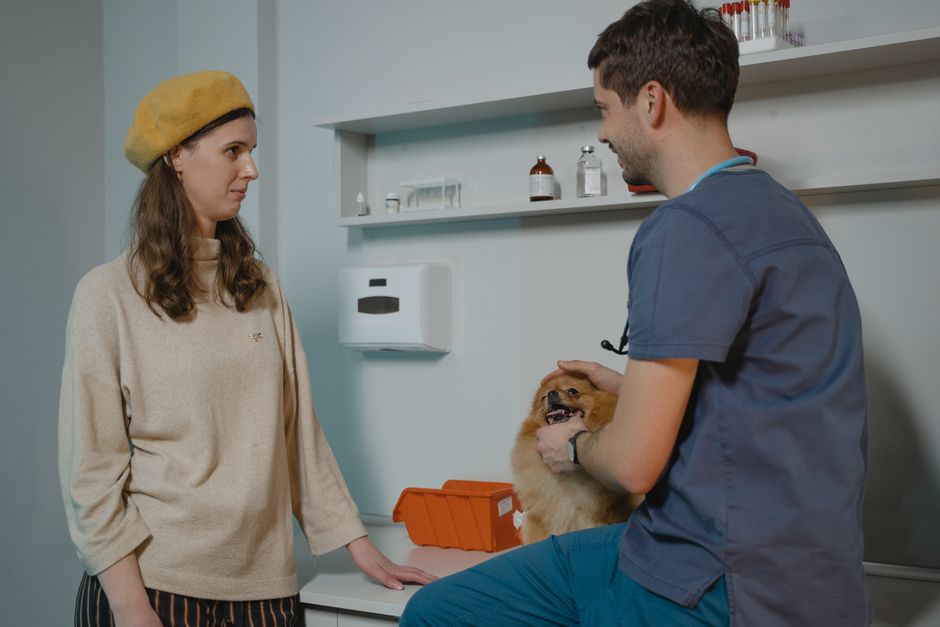
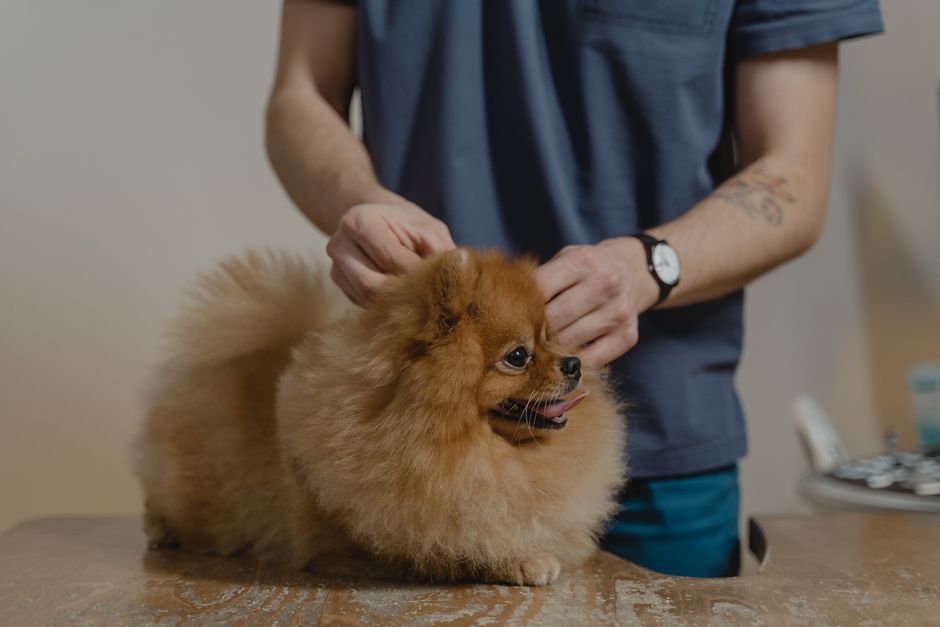
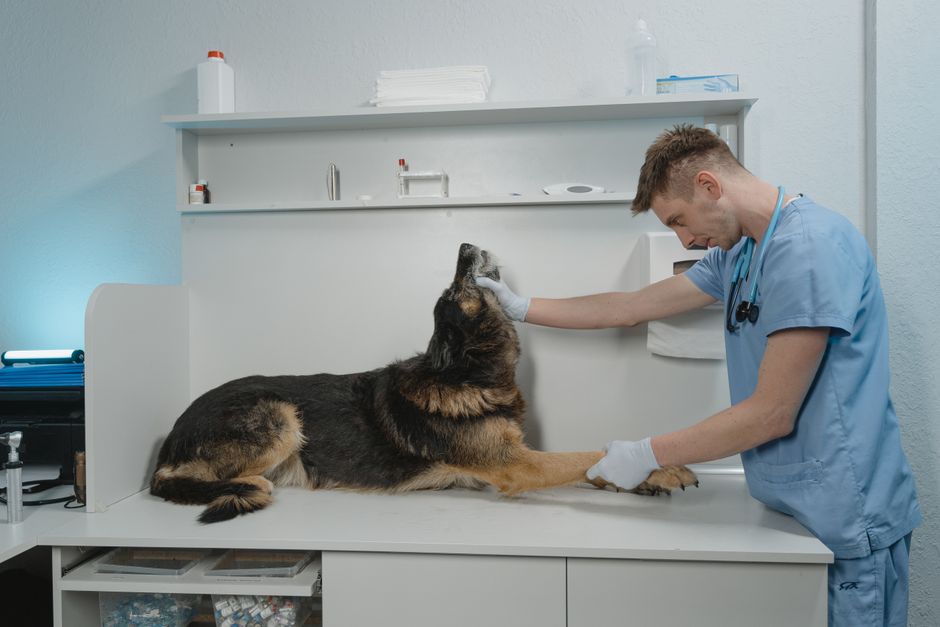
If your pet is showing signs of spring allergies, seeking veterinary care ensures a thorough evaluation and the best path to relief. At Houston Veterinary Clinic, our veterinarians use a combination of medical history, physical examination, and, when necessary, diagnostic testing to determine the source of your pet’s symptoms. During your visit, we will discuss your pet’s lifestyle, exposure to possible allergens, and any previous allergy episodes.
When allergies are suspected, our dermatology services play a key role in identifying and managing skin issues. We may recommend skin scrapings or cytology to rule out secondary infections or parasites. For pets with persistent or severe symptoms, allergy testing can help pinpoint the specific allergens causing the reaction. These tests may involve bloodwork or intradermal skin testing, providing a clearer picture of your pet’s sensitivities.
Treatment approaches for spring allergies often involve a combination of therapies tailored to your pet’s needs. Antihistamines, prescription medications, and medicated shampoos can help control itching and inflammation. For pets with chronic allergies, immunotherapy (allergy shots or drops) may be recommended to gradually desensitize the immune system. In cases where secondary skin infections have developed, antibiotics or antifungal medications may be prescribed. Our veterinary team will carefully explain each option and help you choose the best strategy for your pet’s comfort and long-term health.
Preventing and Managing Spring Allergies at Home
While professional care is essential for severe or persistent allergy symptoms, there are several steps pet owners can take at home to reduce their pet’s exposure to allergens and minimize discomfort. Regular bathing with a gentle, veterinarian-approved shampoo helps remove pollen and irritants from your pet’s coat and skin. Wiping your dog or cat’s paws with a damp cloth after walks can also prevent allergens from being tracked indoors. Keeping windows closed during high pollen periods and using air purifiers can improve indoor air quality for sensitive pets.
Frequent washing of pet bedding, vacuuming carpeted areas, and minimizing time spent on freshly mowed lawns can help reduce allergen load in your home. If your pet enjoys time outdoors, try to schedule walks when pollen counts are lower, such as early in the morning or after a rainfall. For pets with known allergies, following your veterinarian’s recommended skincare or medication regimen is crucial for symptom control.
Remember, over-the-counter allergy medications made for humans can be dangerous for pets. Always consult your veterinarian before administering any new treatment. If you have questions about managing your pet’s allergies or would like more personalized advice, our team is here to help guide you through the season.
When to Schedule a Veterinary Visit for Spring Allergies
Knowing when to seek professional help makes all the difference in your pet’s health and comfort. You should contact your veterinarian if your pet’s scratching or licking is persistent, if you notice open sores, hair loss, or signs of infection such as redness, swelling, or a foul odor from the skin or ears. Sudden changes in behavior, such as increased irritability or lethargy, can also indicate that your pet is struggling with more than mild allergies.
Some allergy symptoms can resemble other medical conditions that require timely intervention, such as mange, fungal infections, or autoimmune disorders. If your pet’s symptoms do not improve with basic home care, or if they worsen over time, scheduling a wellness examination is the safest step. Our veterinary professionals will perform a comprehensive assessment and recommend an individualized treatment plan for your pet.
If you are searching for a "vet near me" in Warner Robins or nearby communities, Houston Veterinary Clinic is your trusted local resource for compassionate and expert care.
Supporting Your Pet’s Comfort and Health This Spring
Spring allergies can make life uncomfortable for your furry family members, but with prompt recognition and the right support, your pet can enjoy the season alongside you. By watching for key allergy symptoms, reducing exposure to common triggers, and working closely with your veterinarian, you can help your dog or cat feel their best all year long.
If you suspect your pet is struggling with spring allergies or you simply want peace of mind, don't hesitate to reach out to our team. To schedule an appointment, call us at (478) 929-0361 or visit us at 109 Avalon Circle, Warner Robins, GA 31093. Our veterinary professionals are here to answer your questions and provide solutions, whether you need allergy testing, dermatology services, or a routine wellness exam.
Let us help your pet enjoy spring in Warner Robins with comfort and confidence. Your pet’s health and happiness are always our top priorities at Houston Veterinary Clinic.
This blog is for informational purposes only and should not be considered a substitute for professional veterinary care. If your pet is experiencing severe symptoms or you have concerns about their health, please schedule an appointment with your veterinarian as soon as possible. For more information on pet allergies, visit reputable resources such as the American College of Veterinary Dermatology or the American Veterinary Medical Association.