Protecting Pets From Fleas and Ticks in September

Protecting Pets From Fleas and Ticks in September
As September arrives in Warner Robins, the warm and humid weather can feel like a welcome extension of summer, but it also means that flea and tick threats remain at their peak for both dogs and cats. Pet owners often assume that these parasites are only a problem in the heat of midsummer, yet the reality is that the risk continues well into the early fall. At Houston Veterinary Clinic, located at 109 Avalon Circle, Warner Robins, GA 31093, our veterinary team regularly helps families manage and prevent flea and tick infestations throughout the changing seasons. In this blog, we will explore why September remains a critical time for flea and tick control, how to spot trouble early, and the most effective ways to keep your pets healthy and itch-free. You will also learn when it is time to schedule an appointment with our veterinarians for expert parasite protection and what steps you can take right now to safeguard your home.
Recognizing Flea and Tick Problems in Your Pet
Fleas and ticks are more than just a nuisance; they can cause significant discomfort for your pet and even lead to serious health problems if not addressed promptly. Understanding the signs of an infestation can help you act fast and prevent further complications.
Common symptoms of flea infestations include persistent itching, biting, and scratching, especially around the base of the tail, belly, and inner thighs. Some pets may develop red, irritated skin or small scabs from frequent scratching. You might notice tiny black specks, commonly referred to as "flea dirt," on your pet's skin or bedding, which is actually flea feces. In severe cases, hair loss and skin infections may develop.
Tick bites can be harder to detect initially, but signs to watch for include small, swollen bumps where ticks have attached, unusual lethargy, loss of appetite, or unexplained lameness. Ticks are often found around the ears, neck, and between your pet's toes. It is important to remember that both fleas and ticks are capable of transmitting diseases that may not cause immediate symptoms but can have lasting effects on your pet's health.
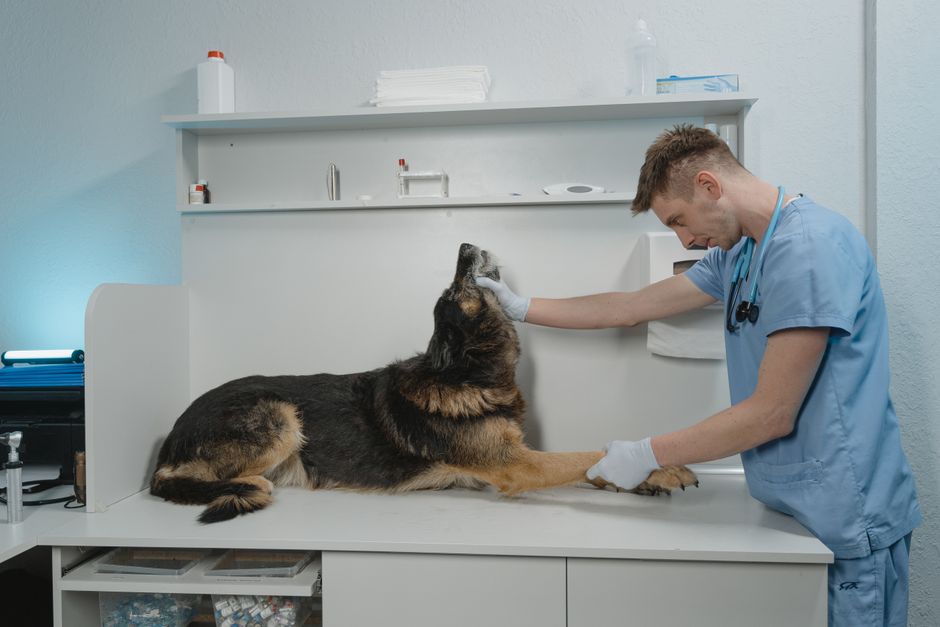
If you notice any of these warning signs, a wellness examination with our team can help determine the extent of the infestation and the best course of action.
Why Flea and Tick Risk Remains High in September
In Warner Robins and surrounding communities, the humid climate and extended warm temperatures create favorable conditions for flea and tick populations to thrive long after summer officially ends. Many pet owners let their guard down as the calendar turns to fall, but September often marks a period of heavy parasite activity.
Fleas are especially resilient; their eggs can survive in the environment for weeks or even months, waiting for the right conditions to hatch. As pets spend time outdoors enjoying the milder weather, they are at increased risk of picking up fleas in shaded areas of the yard or local parks. Ticks are equally persistent; certain species remain active throughout the fall and can be found in grassy or wooded areas where pets like to roam.
Another contributing factor is the increased movement of wildlife as seasons change, which can bring new fleas and ticks into your yard or neighborhood. Squirrels, raccoons, and deer all act as carriers, further raising the risk for your pets.
How Flea and Tick Infestations Affect Your Pet's Health
Fleas and ticks do much more than cause temporary irritation. Flea infestations can quickly spiral out of control, leading to conditions such as flea allergy dermatitis, which causes intense itching, inflammation, and secondary skin infections. In young or small pets, severe flea infestations may even lead to anemia due to blood loss.
Ticks are known for transmitting diseases such as Lyme disease, ehrlichiosis, and Rocky Mountain spotted fever. These illnesses can have subtle symptoms at first, such as joint pain, fever, or reduced energy, but may progress to more serious health problems without prompt treatment.
Both fleas and ticks can also bring parasites like tapeworms into your home. When a pet ingests a flea while grooming, they may become infected, which can cause digestive upset and weight loss.
For pet owners, dealing with a home infestation is not just frustrating; it poses a genuine risk to your family's comfort and well-being. Early and ongoing prevention is the key to keeping your pet and your household safe.
Professional Treatment and Veterinary Solutions
If your pet is struggling with fleas or ticks, do not wait for the problem to resolve on its own. At Houston Veterinary Clinic, our veterinarians offer comprehensive parasite control tailored to your pet's needs and lifestyle.
Treatment options often start with a thorough physical examination to assess your pet's health and the severity of the infestation. In many cases, prescription oral or topical medications provide fast and effective relief, killing adult parasites and interrupting their life cycle. For pets with skin irritation or allergies caused by fleas, our veterinary dermatology team can recommend supportive treatments to ease itching and heal the skin. You can learn more about specialized care for itchy skin and allergy symptoms by visiting our veterinary dermatology services page.
In households with multiple pets, all animals should be treated at the same time to prevent the infestation from reoccurring. Our veterinary team will also discuss environmental control strategies, such as proper cleaning and the use of safe household sprays, to eliminate eggs and larvae from your home.
For ongoing protection, we offer a selection of safe, veterinarian-recommended flea and tick preventives, including monthly topical treatments, oral medications, and long-lasting collars. Your veterinarian will help you choose the most appropriate product based on your pet's age, health, breed, and exposure risk.
Preventing Fleas and Ticks at Home
While professional care is essential for treating infestations, proactive prevention at home is just as important. Keeping your pet up to date on preventive medications year-round is the most reliable way to avoid problems, especially in a climate like Warner Robins where parasite activity remains high well into the fall.
Steps you can take at home include vacuuming carpets, rugs, and pet bedding frequently to remove flea eggs and larvae. Washing your pet's bedding in hot water, mowing the lawn regularly, and removing leaf litter or brush from your yard will help reduce outdoor hiding spots for fleas and ticks.
It is also important to check your pet for parasites after spending time outdoors. Running your hands over their body, paying close attention to warm, hidden areas like the armpits, groin, and behind the ears, can help you spot ticks before they attach or become engorged. Any ticks found should be removed promptly and safely with fine-tipped tweezers.
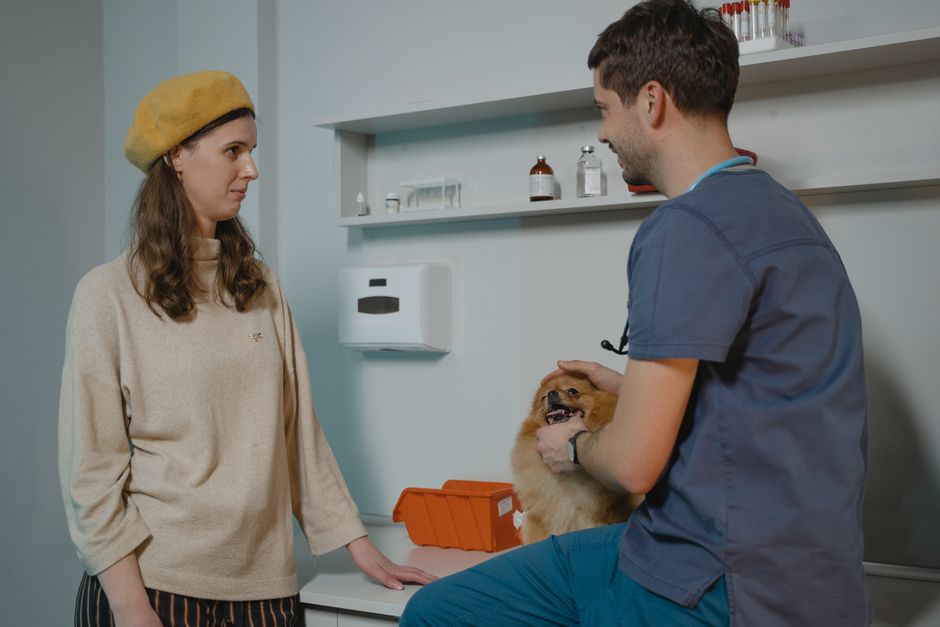
Regular wellness examinations at our clinic provide an opportunity to review your pet's preventive care plan and discuss any recent changes in health or behavior. Vaccinations and parasite screenings also play a key role in keeping your pet protected from the diseases that fleas and ticks can transmit.
When to Contact Your Veterinarian
While mild itching or the occasional flea may not seem like an emergency, there are several situations where prompt veterinary attention is essential. If your pet experiences relentless scratching, visible skin wounds, hair loss, or signs of pain or lethargy, it is time to schedule an appointment as soon as possible. The sudden appearance of ticks, especially if accompanied by fever, weakness, or joint stiffness, should always be evaluated by a veterinarian.
Pets with underlying health conditions, young puppies or kittens, or those who are pregnant or nursing are particularly vulnerable to the effects of parasites and should receive immediate care if an infestation is suspected.
Our veterinary professionals at Houston Veterinary Clinic are experienced in diagnosing and treating all levels of flea and tick problems, from minor irritations to severe infestations. We are here to provide guidance, recommend the safest and most effective treatments, and support you every step of the way. If you are unsure whether your pet's symptoms warrant a visit, do not hesitate to call our team for advice.
Keeping Your Pets Safe and Comfortable This September
Protecting your dog or cat from fleas and ticks is not just a seasonal concern; it is a year-round commitment to their health and happiness. As September brings continued warmth and humidity to Warner Robins, now is the time to take proactive steps to prevent parasite problems before they begin.
At Houston Veterinary Clinic, our veterinarians are dedicated to helping you navigate every aspect of flea and tick prevention, from choosing the right preventive products to addressing any signs of skin irritation or allergic reactions. If you are searching for a veterinarian near me who understands the unique challenges of pet care in the Warner Robins area, our experienced team is ready to help.
To schedule a wellness examination, discuss vaccination services that support parasite prevention, or learn more about our dermatology expertise, contact our clinic at (478) 929-0361 or visit us at 109 Avalon Circle, Warner Robins, GA 31093. You can also explore our detailed pages on wellness examinations and veterinary dermatology services to support your pet's ongoing care. We look forward to keeping your pets safe, comfortable, and parasite-free all season long.
This blog is intended for general informational purposes only and does not replace professional veterinary advice. Always consult your veterinarian for specific concerns regarding your pet's health.