Protecting Pets From Fleas and Ticks During Georgia’s August Heat

Protecting Pets From Fleas and Ticks During Georgia’s August Heat
August in Warner Robins brings long, hot days and plenty of time outdoors for local dogs and cats. Unfortunately, Georgia’s summer heat also means peak season for fleas and ticks, which thrive in the warm, humid climate. If you’re a pet owner in Warner Robins or the surrounding communities, keeping your pet comfortable and pest-free is a top priority this time of year. At Houston Veterinary Clinic, we understand how frustrating it can be to find your pet scratching, biting, or bringing unwanted pests into your home. This blog will guide you through how fleas and ticks affect your pet during Georgia’s August heat, tips for prevention, and when it’s time to seek professional help from your trusted veterinary team. We’ll also cover the most effective treatment options and home strategies to keep your dog or cat healthy and happy all summer long. Our veterinarians are always here to help you schedule an appointment at our convenient 109 Avalon Circle, Warner Robins, GA 31093 location.
Recognizing Flea and Tick Problems in Your Pet
Spotting the early signs of a flea or tick infestation is key to protecting your pet’s health and comfort. Fleas and ticks are tiny, but their impact on your pet can be significant—especially during the heat and humidity of a Georgia summer. Watch for signs such as excessive scratching, biting, or licking, particularly around the base of the tail, behind the ears, and along the belly. Flea infestations often cause small red bumps, hair loss, and visible flea dirt (tiny black specks) in your pet’s coat. Ticks may appear as small, swollen bumps attached to your pet’s skin, especially after time spent outdoors in grassy or wooded areas. You might also notice your pet acting restless or uncomfortable, and in some cases, severe flea infestations can lead to pale gums due to anemia, especially in kittens and puppies. Persistent skin irritation or sudden changes in grooming habits are additional warning signs that your pet needs attention. If you notice any of these symptoms, it’s important to take action quickly to prevent more serious health issues.
Why Fleas and Ticks Thrive During Georgia’s August Heat
Fleas and ticks love the warm, humid climate typical of Warner Robins in August. High temperatures speed up their life cycles, allowing them to reproduce more quickly. Fleas can lay hundreds of eggs in your home or yard, and those eggs can hatch rapidly in the summer heat. Ticks are also more active during hot months, seeking out pets and people as hosts. The combination of outdoor activities, high humidity, and longer daylight hours creates the perfect storm for these pests to flourish. Dogs and cats that spend time in the backyard, visit local parks, or accompany you on summer adventures are at increased risk for picking up fleas and ticks. Even indoor pets are not immune—fleas can hitch a ride inside on shoes, clothing, or other animals. The local wildlife in Georgia, such as squirrels, raccoons, and opossums, can transport ticks and fleas into your yard, making prevention a challenge. Understanding why these pests are particularly problematic in August can help you stay one step ahead.
Treating Flea and Tick Infestations: What to Expect From Professional Veterinary Care
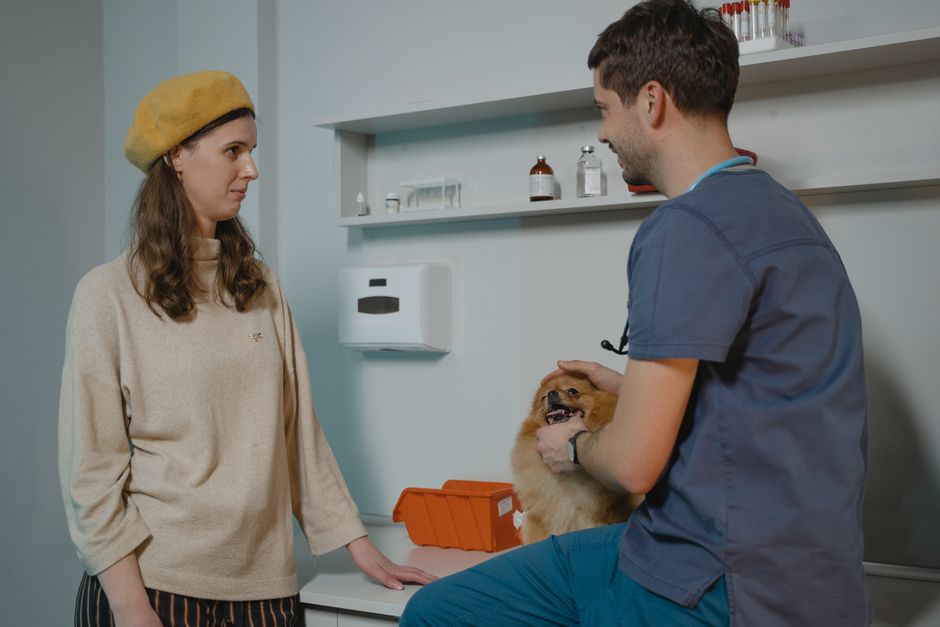
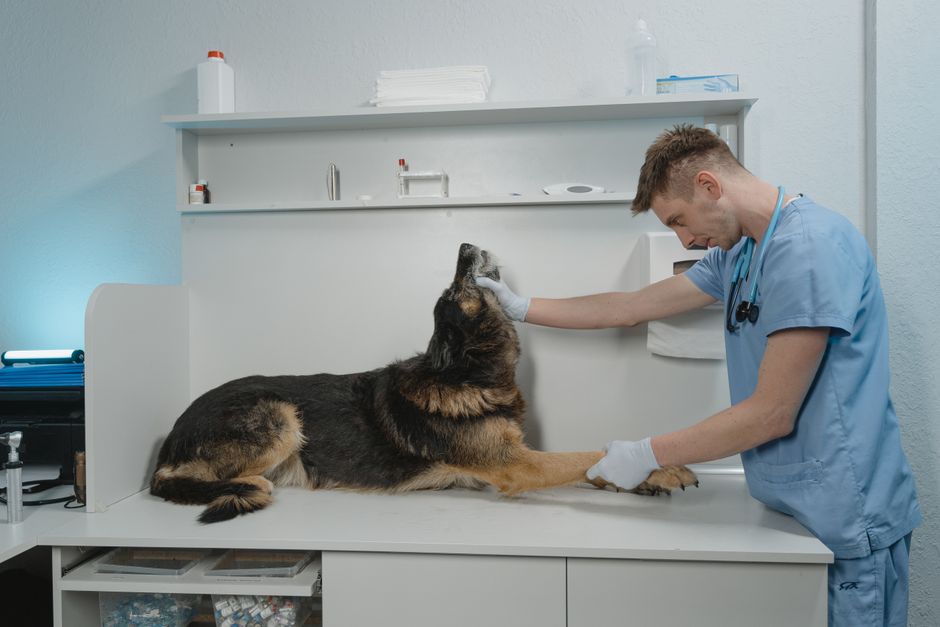
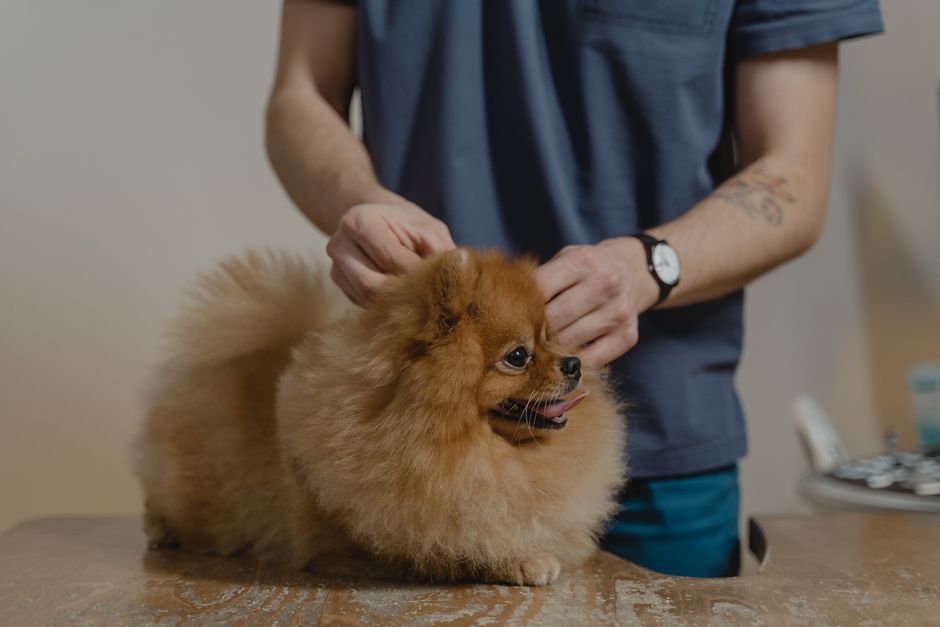
If you suspect your pet has fleas or ticks, scheduling a visit with our veterinary team at Houston Veterinary Clinic is the best way to start treatment. Our veterinarians will perform a thorough examination of your pet’s skin and coat, discuss your concerns, and recommend tailored solutions based on your pet’s lifestyle and health history. Treatment approaches involve prescription-strength oral or topical medications that are safe and highly effective for eliminating fleas and ticks. For pets with severe skin reactions, secondary infections, or signs of allergies, we may recommend additional therapies such as medicated shampoos, anti-itch medications, or dermatology services focused on skin health. In cases where pets develop significant itching or hair loss, our team can also provide allergy testing to identify any underlying sensitivities. It’s important to treat both the pet and the environment, so your veterinarian will offer guidance on managing fleas and ticks in your home and yard as well. Professional care ensures that your pet receives safe, effective treatment and helps prevent the cycle of reinfestation.
Preventing Fleas and Ticks at Home: Steps for Year-Round Protection
The best way to protect your dog or cat from fleas and ticks is through prevention. Using veterinarian-recommended flea and tick preventatives consistently throughout the year is crucial, especially during Georgia’s hot summer months. These products may come in the form of monthly chewable tablets, spot-on treatments, or collars—your veterinarian can help you choose the right option for your pet’s age, weight, and lifestyle. In addition to medications, maintaining a clean home environment plays an important role. Regularly vacuuming carpets, washing your pet’s bedding, and cleaning upholstery can help remove eggs and larvae before they become a problem. Outdoors, keep your lawn mowed and remove leaf litter or debris where fleas and ticks might hide. After walks or playtime, check your pet’s fur and skin for signs of parasites, paying special attention to hidden areas like between the toes and under the collar. If you have multiple pets, ensure that all animals in the household are treated to prevent the spread of pests. Remember, prevention is a year-round commitment in Warner Robins, not just a summer task.
When to Seek Veterinary Care for Fleas and Ticks
While minor itching or a single flea sighting may not always be cause for alarm, there are situations where prompt veterinary attention is essential. If your pet is scratching constantly, losing hair, developing open sores, or showing signs of lethargy, anemia, or illness, it’s time to call your veterinarian. Puppies, kittens, senior pets, and animals with underlying health conditions are especially vulnerable to complications from fleas and ticks. Additionally, if you notice engorged ticks, signs of tick paralysis, or symptoms of tick-borne diseases such as fever, joint swelling, or sudden changes in behavior, seek veterinary care immediately. Persistent infestations that do not resolve with over-the-counter products also warrant a professional evaluation. Our team at Houston Veterinary Clinic is here to provide comprehensive pet exams and personalized advice to help your pet recover quickly. Early intervention not only relieves your pet’s discomfort but also prevents more serious health complications.
Keeping Your Pet Happy and Healthy During Georgia’s Summer
Protecting your pet from fleas and ticks during Georgia’s August heat requires a proactive, year-round approach. By recognizing early signs of infestation, understanding why local conditions favor these pests, and working with your veterinarian for prevention and treatment, you can ensure your dog or cat enjoys a comfortable, itch-free summer. The veterinarians at Houston Veterinary Clinic are dedicated to supporting your family with expert guidance and compassionate care. If you’re searching for a trustworthy “vet near me” in Warner Robins, our team is ready to help with all your pet’s needs. To schedule an appointment or discuss the best flea and tick prevention plan for your pet, call us at (478) 929-0361 or visit us at 109 Avalon Circle, Warner Robins, GA 31093. Together, we can keep your pet happy, healthy, and protected all year long.
Disclaimer: This blog is intended for informational purposes only and does not replace professional veterinary advice. If you are concerned about your pet’s health, please consult your veterinarian for guidance specific to your pet’s needs.
For more information on skin health or allergy issues related to fleas and ticks, explore our dermatology services and allergy testing pages.