Identifying Common Fall Allergies in Warner Robins Pets

Identifying Common Fall Allergies in Warner Robins Pets
As the crisp air of September settles into Warner Robins, many pet owners start to notice their dogs and cats scratching more than usual or developing new skin issues. While fall brings relief from summer heat, it also ushers in a host of seasonal allergens that can make your pet miserable. At Houston Veterinary Clinic, located at 109 Avalon Circle, Warner Robins, GA 31093, we understand how distressing it is to watch your pet struggle with itching, sneezing, and discomfort. In this blog, we will help you recognize the most common fall allergies in pets, explain what causes these reactions, offer practical advice for managing symptoms at home, and guide you on when to seek professional veterinary care. Our veterinary team is committed to helping you keep your pet comfortable and healthy through every season. If you are worried about your pet’s sudden skin or respiratory symptoms as the weather changes, read on for expert advice tailored to Warner Robins’ unique climate.
Recognizing Fall Allergy Symptoms in Dogs and Cats
Many pet owners first notice seasonal allergies when their dog or cat begins to scratch excessively or develop skin issues that were not present during the summer months. Key symptoms of fall allergies in pets include persistent scratching, licking of the paws, red or inflamed skin, hair loss, and ear infections. In some cases, you may also see watery eyes, sneezing, or a runny nose, especially in cats. For dogs, chewing at their feet or rubbing their face against furniture can be a sign that allergens are making them uncomfortable. Other warning signs are hot spots that suddenly appear, recurrent ear problems, or skin that smells yeasty or appears greasy. These symptoms often worsen after your pet spends time outside, as allergens like mold spores and ragweed pollen are at their peak during Georgia’s fall months. If your pet’s discomfort seems to spike following walks, playtime in the yard, or rainy weather, fall allergies may be the culprit.
What Causes Fall Allergies in Warner Robins Pets?
Understanding why your pet is suddenly so itchy in the autumn starts with knowing what seasonal changes mean for local pets. In Warner Robins, common fall allergens include ragweed pollen, mold spores from decaying leaves, and dust mites that thrive indoors as the house stays closed up. As trees shed their leaves and grass goes to seed, the amount of airborne pollen can surge, especially on windy days. Mold growth increases after rain, particularly when piles of leaves accumulate in yards and along sidewalks. Pets that love to roll in the grass or dig in leaf piles can pick up allergens on their fur and skin. Indoor allergens like dust mites and certain molds can also become more concentrated as families spend more time inside and turn on the heat. Some pets are genetically predisposed to allergies, while others may develop sensitivities over time. The result is that even pets who have never had allergies before can suddenly show symptoms as environmental conditions change each fall.
Veterinary Treatment Options for Fall Allergies
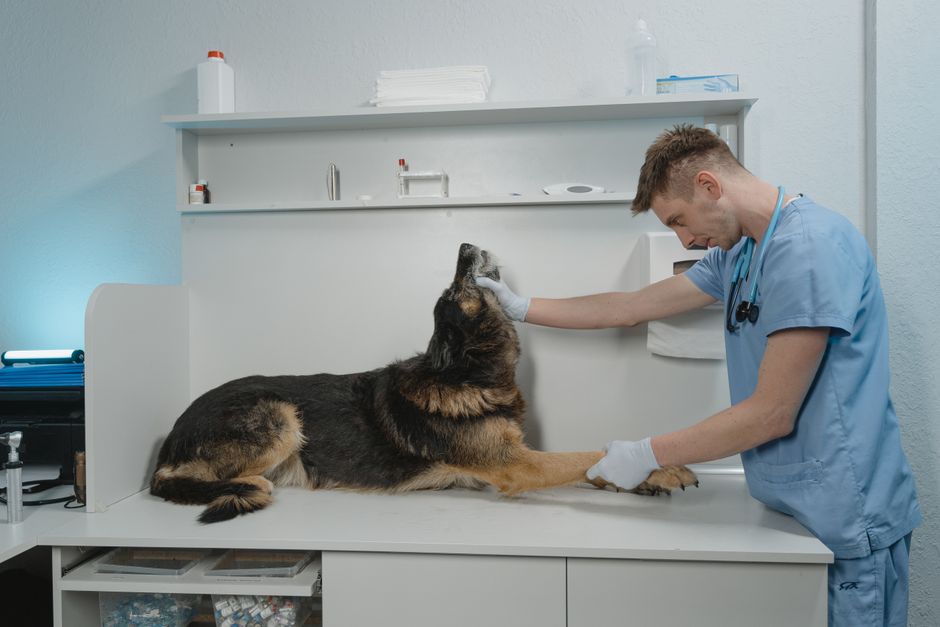
When at-home care is not enough to keep your pet comfortable, our veterinary team at Houston Veterinary Clinic offers a range of solutions to address allergies effectively. The first step in treatment involves a thorough wellness examination, where we will review your pet’s history, examine their skin, ears, and coat, and rule out other causes such as parasites or infections. If allergies are suspected, we may recommend allergy testing services to help pinpoint specific triggers, especially for pets with chronic or severe symptoms.
Treatment approaches often involve a combination of therapies. These can include prescription antihistamines or anti-itch medications, medicated shampoos that remove allergens from your pet’s coat, topical creams to soothe inflamed skin, and, in some cases, corticosteroids for severe flare-ups. For pets with frequent ear infections or skin lesions, we may prescribe antibiotics or antifungal medications if secondary infections are present. Immunotherapy, which involves exposing your pet to small amounts of the offending allergen to build up tolerance over time, can be considered for pets with stubborn allergies. Our veterinary dermatology services provide further support for pets battling ongoing skin irritation, offering advanced diagnostic and treatment options right here in Warner Robins.
Managing Allergy Symptoms at Home
While professional care is essential for moderate or severe allergies, there are many steps you can take at home to help minimize your pet’s discomfort during the fall. Regular bathing with a gentle, hypoallergenic shampoo can help remove pollen and mold spores from your pet’s skin and coat; be sure to rinse thoroughly and dry your pet well, especially between toes and inside ears. Wiping your dog’s paws and belly with a damp cloth after outdoor walks can reduce the amount of allergen they bring inside. Frequent vacuuming of carpets, rugs, and upholstery helps control dust mites and pet dander, while washing your pet’s bedding in hot water removes accumulated allergens. Keeping windows closed on high-pollen days and using an air purifier with a HEPA filter can further limit indoor allergen exposure. For pets with mild symptoms, over-the-counter omega-3 fatty acid supplements sometimes help reduce inflammation and support healthy skin, but always consult your veterinarian before starting any new supplement or medication.
When Should You Seek Veterinary Care for Pet Allergies?
It is important to know when home remedies are no longer enough and when your pet needs professional help. You should schedule an appointment with our veterinarians if your pet’s itching becomes constant, skin is raw or bleeding, hair loss develops, or you notice repeated ear infections. Other signs that warrant a visit include loss of appetite, lethargy, or any symptom that persists for more than a week despite your best efforts at home. Allergies can also weaken your pet’s skin barrier, making them more susceptible to bacterial or yeast infections, which require veterinary treatment. If your pet’s symptoms worsen rapidly, involve swelling of the face or difficulty breathing, seek immediate veterinary attention, as these could indicate a more serious allergic reaction. Our team is here to help guide you through the diagnostic process and recommend the best course of action for your pet’s unique needs.
Supporting Your Pet’s Health Through Seasonal Changes
Fall allergies are a common challenge for dogs and cats in Warner Robins and the surrounding communities, but with attentive care and the support of a knowledgeable veterinary team, most pets can enjoy the season comfortably. By recognizing early signs of allergies, understanding what triggers symptoms, and staying proactive with both at-home and professional care, you give your pet the best chance at lasting relief. Our veterinarians at Houston Veterinary Clinic are dedicated to helping your pet thrive year-round, whether that means providing comprehensive wellness examinations, allergy testing, or advanced dermatology services.
If you are searching for a veterinarian near me who understands the unique seasonal challenges faced by pets in Warner Robins, look no further than our compassionate team. Schedule an appointment today by calling (478) 929-0361 or visiting us at 109 Avalon Circle, Warner Robins, GA 31093. Your pet’s comfort and wellbeing are always our top priority. If you have questions about fall allergies, or any other health concern, our veterinary professionals are here to support you every step of the way.
This blog is for informational purposes only and is not a substitute for professional veterinary care. Always consult your veterinarian for diagnosis and treatment specific to your pet’s health.