Halloween Safety Tips for Pets in Warner Robins

Halloween Safety Tips for Pets in Warner Robins
Halloween is an exciting time for families across Warner Robins, but for many dogs and cats, the sights, sounds, and treats of the holiday can quickly become overwhelming or even dangerous. At Houston Veterinary Clinic, we understand how much you want to include your pets in the festivities while keeping them safe, healthy, and calm. The sudden influx of trick-or-treaters, tempting candy bowls, and spooky decorations can all pose unique risks to your furry companions. In this guide, our veterinary team shares essential Halloween safety tips to help pet owners in Warner Robins and surrounding communities prevent stress, avoid toxic treats, and navigate the commotion with confidence. Whether you are preparing your home for visitors or planning a fun costume for your pet, you will find practical advice to make this October a safe and enjoyable season for every member of your household.
If you have questions or concerns about keeping your dog or cat comfortable during Halloween, the Houston Veterinary Clinic team is here for you. From routine wellness care to urgent situations, we offer comprehensive services at our convenient 109 Avalon Circle, Warner Robins, GA 31093. Read on to learn how to protect your pets from the most common Halloween hazards and ensure a stress-free holiday for the whole family.
Recognizing Halloween-Related Stress and Risks in Dogs and Cats
Halloween introduces a flurry of activity that can be unsettling for many pets. Recognizing when your dog or cat is feeling stressed or has encountered a potential danger is the first step in ensuring their safety. Some pets may become anxious or fearful with the sound of the doorbell, unfamiliar costumes, or unusual noises from decorations. Signs of stress often include pacing, panting, drooling, hiding, trembling, or a sudden change in behavior such as vocalizing more than usual or seeking excessive reassurance from family members.
In addition to emotional stress, Halloween brings tangible risks. Curious pets may sample candy, chocolate, or other treats left within reach, leading to toxic reactions or gastrointestinal upset. Cats, especially, may hide or refuse to eat if they are overwhelmed by the commotion, while dogs might develop vomiting or diarrhea after eating something they should not. Decorations such as fake cobwebs, glow sticks, and small costume accessories can quickly become choking hazards if chewed or swallowed.
It is important to monitor your pets closely during the days leading up to Halloween and on the night itself. If you notice symptoms such as vomiting, diarrhea, lethargy, or if your cat is hiding and not eating, these could be signs that your pet needs prompt veterinary attention. For more details about warning signs in dogs, you can refer to our guidance on when dogs with vomiting, diarrhea, or refusal to eat may need veterinary care, and for cats, see signs of hiding and not eating in cats that may require veterinary attention.
Understanding Halloween Hazards for Pets
Knowing what makes Halloween potentially dangerous for pets helps you take proactive steps to protect them. The primary concerns during this holiday revolve around toxic foods, accidental ingestion of non-food items, and environmental stressors.
Chocolate is one of the most common Halloween treats found in homes, but it contains theobromine and caffeine, both of which are highly toxic to dogs and cats. Even small amounts can lead to serious health issues, with symptoms ranging from restlessness and rapid heart rate to vomiting, tremors, and seizures. Sugar-free candies often contain xylitol, a sweetener that is extremely dangerous to dogs and can cause insulin release, resulting in hypoglycemia, liver failure, or even death. Raisins, grapes, and certain types of nuts can also trigger toxic reactions in both dogs and cats.
Decorations, while festive, often feature strings, lights, ribbons, and fake cobwebs that can entice pets to investigate or chew. Ingesting these items may cause choking, intestinal blockage, or injury to the mouth and digestive tract. Costume accessories, such as buttons or elastic bands, can also be hazardous if swallowed.
Environmental changes, such as frequent doorbell rings from trick-or-treaters, the presence of masked strangers, or loud noises from celebrations, can all heighten anxiety in pets. Cats may retreat to hidden areas, refusing to come out, while dogs might bark excessively, attempt to escape, or exhibit destructive behavior.
Professional Veterinary Treatment and What to Expect
If your pet is exposed to Halloween hazards, prompt veterinary attention is crucial. At Houston Veterinary Clinic, our veterinary team is equipped to handle a wide range of emergencies and urgent care cases, from toxic ingestion to stress-related symptoms. When you call or bring your pet in for an evaluation, our veterinarians will assess the situation based on your pet's symptoms and the details of any exposure.
Treatment for chocolate or xylitol ingestion may involve inducing vomiting, administering activated charcoal to limit toxin absorption, providing intravenous fluids, and monitoring vital signs. If your pet is suffering from gastrointestinal upset due to dietary indiscretion, supportive care such as fluid therapy and medications to control vomiting or diarrhea may be recommended. In cases where your cat is hiding or refusing to eat due to stress, our team may suggest appetite stimulants, a calm environment, and monitoring for underlying medical issues.
For accidental ingestion of non-food items, diagnostic tools including digital radiology and in-house laboratory testing may be used to identify obstructions or complications. Surgery might be necessary in severe cases, but many pets recover well with timely intervention and supportive care.
It is important to remember that early intervention leads to the best outcomes. If your pet develops sudden symptoms during Halloween, do not wait to seek help. Our emergency and urgent veterinary care services are available to assist you when the unexpected occurs.
Preventing Halloween Hazards: Tips for a Safe and Calm Holiday
The best way to protect your pets during Halloween is through prevention and preparation. Start by keeping all candy, especially chocolate and sugar-free items, well out of your pet's reach. Store treats in high cabinets or closed containers, and remind children and guests not to share any human snacks with pets. If you enjoy decorating, choose pet-safe options and avoid placing small or dangling items where curious mouths can reach them. Monitor your pets around decorations, and consider using battery-operated candles instead of open flames in jack-o'-lanterns.
For pets that are sensitive to noise or strangers, create a quiet, comfortable space in your home where they can retreat during trick-or-treat hours. This could be a bedroom with soft bedding, familiar toys, and soothing music to help mask outside sounds. Limiting your pet's access to the front door can prevent accidental escapes when greeting visitors. If your dog or cat is easily stressed, consider keeping them in a secure room with the door closed until the festivities are over.
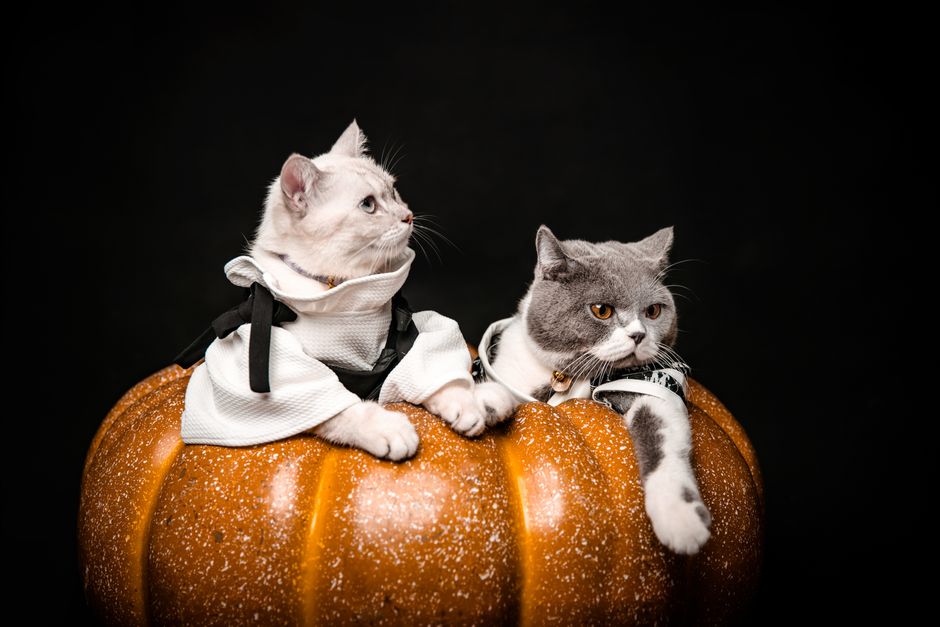
Costumes can be fun, but not all pets enjoy wearing them. If you choose to dress up your dog or cat, make sure the costume fits properly, does not restrict movement, breathing, or vision, and does not have small parts that could be chewed off. Observe your pet for signs of discomfort, and remove the costume immediately if they seem stressed or agitated.
Regular wellness care also plays a role in Halloween safety. Up-to-date vaccinations and a recent wellness examination can help ensure your pet is healthy enough to handle the excitement of the holiday.
When to Seek Veterinary Care During Halloween
While many Halloween hazards can be managed at home with careful preparation, there are situations where immediate veterinary care is necessary. Contact your veterinarian right away if your pet has ingested chocolate, xylitol, raisins, or any other potentially toxic substance. Signs that require urgent attention include persistent vomiting, diarrhea, lethargy, tremors, difficulty breathing, or collapse. Cats that hide for prolonged periods and refuse to eat may be experiencing significant stress or an underlying medical issue that needs to be addressed promptly.
If you are ever unsure whether your pet's symptoms warrant professional care, it is always safer to consult with a veterinarian. Timely intervention can prevent complications and even save lives. For more information about symptoms that indicate your dog or cat may need veterinary attention, explore our resources on lethargy and low energy in dogs and hiding and not eating in cats.
Keeping Your Pets Safe This Halloween: Final Thoughts and Next Steps
Halloween should be a time of fun and celebration for the whole family, including your dogs and cats. By recognizing the potential risks, preparing your home, and monitoring your pets closely, you can help them stay safe and comfortable throughout the spooky season. If you have any concerns about your pet's health or behavior during Halloween, or if you want to schedule a wellness examination to ensure they are ready for the festivities, our veterinary team at Houston Veterinary Clinic is here to help.
To schedule an appointment or discuss your pet's needs, call us at (478) 929-0361 or visit our 109 Avalon Circle, Warner Robins, GA 31093 location. When searching for a vet near me, know that our experienced veterinarians are dedicated to providing outstanding care for pets throughout Warner Robins and nearby communities.
Make this Halloween a safe, happy, and stress-free experience for your entire household. Our team is always here to support you and your pets every step of the way.