How to Prevent Pet Allergies and Skin Issues in February


How to Prevent Pet Allergies and Skin Issues in February
Is your pet scratching more than usual or showing signs of skin irritation this February in Warner Robins? As the winter months bring damp, cool weather to our area, many pets start to experience uncomfortable allergy symptoms and skin problems. Here at Houston Veterinary Clinic, our team of veterinarians at 109 Avalon Circle, Warner Robins, GA 31093 understands how frustrating and worrying these issues can be for pet owners. In this blog, we will explore how to recognize the warning signs of allergies and skin conditions in your pet, what causes these problems during the winter months, how our veterinary team can help manage and treat these concerns, and practical steps you can take at home to help prevent them in the first place. We will also discuss when it is important to schedule a professional evaluation with our team for lasting relief and peace of mind. If your pet is suffering, don’t wait—book a wellness exam today for personalized, year-round care from your trusted local veterinarians.
Recognizing Pet Allergies and Skin Issues in February
Every pet is unique, but many dogs and cats in Warner Robins and surrounding communities become more prone to allergies and skin problems when February’s damp weather sets in. Common symptoms of pet allergies and skin issues include persistent scratching, licking, or chewing at their paws, legs, or belly. You may notice red or irritated skin, the appearance of rashes or small bumps, hair loss in certain areas, or even an unpleasant odor coming from your pet’s skin or ears. Some pets develop watery eyes or sneeze more frequently, while others may seem restless or irritable because of constant discomfort.
While these symptoms might seem minor at first, they can quickly progress to more serious problems, such as open sores, infections, or significant hair loss if left untreated. Pet owners often observe their pets waking up at night to scratch, rubbing their faces on carpets or furniture, or avoiding being touched in sensitive areas. If you notice any of these signs—especially if they persist for more than a few days—it’s time to consider a professional evaluation. Early intervention not only relieves your pet’s discomfort but also helps prevent more complex health issues down the road.
Why Do Pet Allergies and Skin Problems Flare Up in Winter?
It might surprise some pet owners that allergies and skin issues don’t just happen in the spring or summer. In fact, February’s unique blend of cool temperatures and increased moisture can create the perfect environment for skin irritation and allergic reactions in pets. Several factors contribute to winter skin problems:
Indoor allergens become more concentrated when homes remain closed up against the cold. Dust mites, mold spores, and even household cleaning products can provoke allergic reactions in sensitive pets. Additionally, damp weather outside increases mold and mildew growth, which pets may encounter during walks or playtime. Dry indoor air from heating systems can further strip moisture from your pet’s skin, making it more prone to itching and flaking.
Food sensitivities and underlying health conditions may also become more noticeable in winter, as pets spend more time indoors and less time being distracted by outdoor activities. Certain breeds, especially those with sensitive skin or thick coats, are more susceptible to these problems. Finally, seasonal shedding can expose tender skin, increasing the likelihood of irritation.
Understanding these causes can help you make informed choices for your pet’s comfort and health. If you’re unsure whether your pet’s symptoms are caused by allergies, environmental factors, or another underlying problem, a thorough evaluation by our veterinary professionals is the best way to find answers.
How Houston Veterinary Clinic Diagnoses and Treats Allergies & Skin Issues
When your pet arrives for an appointment at Houston Veterinary Clinic, our comprehensive approach begins with a detailed history and physical examination. Our veterinarians will ask about your pet’s environment, diet, lifestyle, and any recent changes that may have triggered symptoms. During the exam, we carefully inspect your pet’s skin, ears, and coat for redness, swelling, hair loss, or signs of infection. In some cases, we may recommend allergy testing to pinpoint specific triggers, allowing us to create a targeted treatment plan.
Depending on the underlying cause, treatment options typically involve a combination of topical therapies, oral medications, and environmental management. For example, medicated shampoos or sprays can help soothe irritated skin and reduce inflammation, while prescribed antihistamines or corticosteroids may be used for more severe allergic reactions. If a secondary infection has developed, antibiotics or antifungal medications might be necessary. For pets with food sensitivities, our veterinarians may recommend a specialized diet trial to identify and eliminate offending ingredients.
Our dermatology services provide ongoing support for chronic skin conditions, including advanced diagnostics and long-term management strategies. By partnering with our veterinary team, you can expect compassionate, individualized care that addresses both the immediate symptoms and the root causes of your pet’s discomfort.
Preventing Allergies and Skin Problems at Home
While professional veterinary care is crucial for treating allergies and skin issues, there are many steps you can take at home to help prevent problems from developing or worsening. Regular grooming is one of the most effective ways to remove allergens, dirt, and loose hair from your pet’s coat. Bathing your pet with a veterinarian-approved, gentle shampoo can help wash away irritants and keep their skin healthy; however, it’s important not to over-bathe, as this can dry out the skin.
Maintaining a clean living environment helps reduce exposure to dust mites, mold, and other indoor allergens. Washing your pet’s bedding and toys regularly, vacuuming carpets and upholstery, and using air purifiers can make a significant difference. If your pet is prone to food allergies, working with our veterinarians to select a high-quality, hypoallergenic diet may reduce the risk of flare-ups.
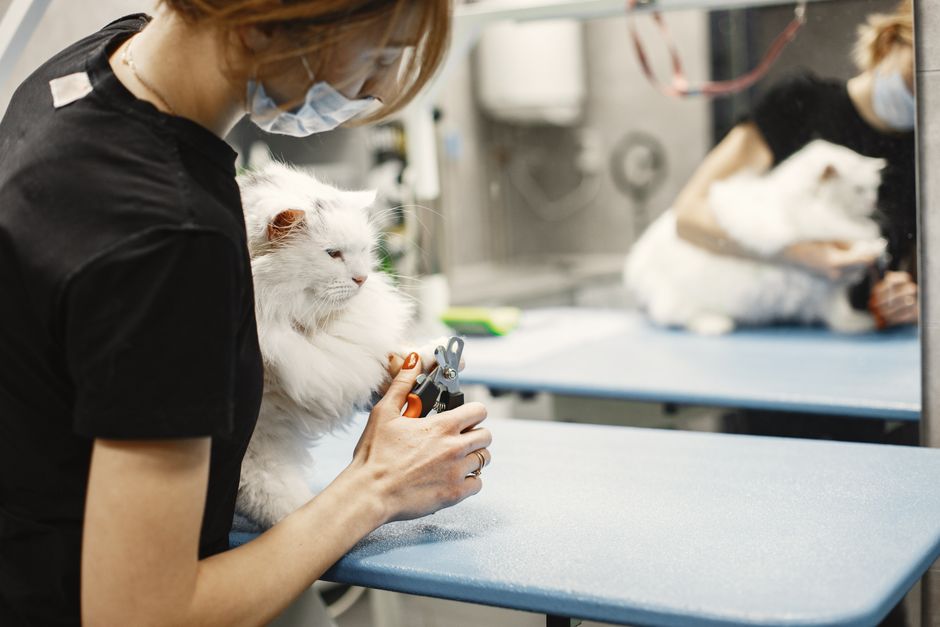
During February’s damp, chilly weather, drying your pet thoroughly after outdoor adventures prevents moisture-related skin issues. Pay close attention to the areas between toes and in skin folds, where moisture can linger. Scheduling professional grooming services at our clinic can provide an extra layer of protection, as our skilled grooming team is trained to notice early signs of skin problems and can recommend timely veterinary follow-up if needed.
Finally, staying up-to-date with your pet’s wellness examinations gives our veterinary professionals the opportunity to catch emerging issues early, offer tailored advice, and monitor the effectiveness of any treatment or prevention strategies.
When to Schedule Veterinary Care for Your Pet’s Skin and Allergy Issues
Some mild skin irritation or occasional scratching is normal, especially during seasonal changes. However, persistent symptoms such as excessive licking, open sores, foul odors, or significant hair loss should never be ignored. If your pet’s discomfort is disrupting their sleep, appetite, or overall happiness, it’s time to seek veterinary care. Prompt attention is especially important if you notice bleeding, swelling, or signs of infection like oozing wounds or hot, painful skin.
At Houston Veterinary Clinic, our veterinary team is dedicated to helping you find lasting solutions for your pet’s allergies and skin problems. We encourage all pet owners in Warner Robins and surrounding areas to err on the side of caution; a timely exam can make a world of difference in your pet’s comfort and quality of life. If you’re searching for a veterinarian near me who understands local seasonal challenges and offers compassionate, comprehensive care, you can rely on our experience and commitment.
Take Control of Your Pet’s Skin Health This February
February’s damp, cool weather brings unique challenges for pets in Warner Robins, but with the right support and preventive care, you can keep your furry friend comfortable all season long. Watch for early signs of allergies and skin issues, follow home prevention tips, and never hesitate to reach out for professional help when needed. Our veterinary team is here to guide you through every step, from diagnosis to long-term management.
To schedule an appointment for a wellness exam or to discuss your pet’s symptoms, call Houston Veterinary Clinic at (478) 929-0361 or visit us at 109 Avalon Circle, Warner Robins, GA 31093. Explore our dermatology services and grooming options for extra support. Let us partner with you to give your pet the healthy, happy skin they deserve this February and beyond.
Medical Disclaimer: This blog is for informational purposes only and does not replace professional veterinary advice. Always consult with a veterinarian regarding your pet’s specific health needs.