Heat Safety Tips for Pets in Warner Robins’ August Weather

Heat Safety Tips for Pets in Warner Robins’ August Weather
August in Warner Robins is notorious for its challenging heat and humidity, which can quickly turn a pleasant summer day into a potential health risk for dogs and cats. As a devoted pet owner, you want to ensure your furry companions stay comfortable and safe, even when the temperatures soar. At Houston Veterinary Clinic, located at 109 Avalon Circle, Warner Robins, GA 31093, we understand just how quickly summer weather can impact your pet’s wellbeing. In this blog, you’ll discover essential tips to help your pets cope with August’s heat, learn to recognize the early warning signs of heat stress, understand why pets are particularly susceptible to hot, muggy conditions, and find out when it’s critical to seek veterinary help. Our team of veterinarians is here to guide you through the hottest months, offering practical advice that can make all the difference for your pet’s health and happiness.
Recognizing the Signs of Heat Stress in Dogs and Cats
During the peak of summer, it’s easy to underestimate how quickly pets can become overheated, especially in the humid climate of Warner Robins. Dogs and cats do not sweat the way humans do; instead, they rely primarily on panting and limited sweat glands in their paw pads to regulate their body temperature. When temperatures and humidity climb, these natural cooling mechanisms can become overwhelmed, putting your pet at risk for heat exhaustion or even life-threatening heatstroke.
Key symptoms that may indicate your dog or cat is struggling with the heat include excessive panting, drooling, bright red or pale gums, weakness, unsteady walking, vomiting, or even collapse. In cats, you might also notice open-mouth breathing or lethargy that is out of the ordinary. Early warning signs are often subtle, such as a pet seeking out cooler surfaces or seeming less interested in play. If your pet’s breathing becomes rapid or labored, or if they appear confused or are unable to stand, these are urgent signs that immediate action is needed. Recognizing these symptoms early is essential for preventing a dangerous escalation.
Why August’s Heat and Humidity Pose Risks for Pets
Warner Robins experiences a unique combination of high temperatures and humidity during August, which can dramatically increase the risk of heat-related illness in pets. Humidity limits the effectiveness of panting, making it much harder for dogs and cats to release excess body heat. Short-nosed breeds like Bulldogs, Pugs, and Persian cats are at particular risk because their airways are less efficient at cooling.
Age and health status also play a significant role in heat vulnerability. Puppies, senior pets, overweight animals, and those with chronic health conditions (such as heart or respiratory problems) cannot regulate their temperature as effectively. Black or dark-coated pets may absorb more heat from the sun, and those with thick fur may struggle even in shaded areas. Even a short walk on a hot sidewalk can lead to burned paw pads or a rapid rise in body temperature.
It is important to remember that a car’s interior can become dangerously hot within minutes, even with the windows cracked. Leaving a pet in a vehicle, even briefly, can have fatal consequences in the Georgia summer. The local climate requires extra vigilance and adjustments to daily routines to keep your pets safe.
Professional Veterinary Care for Heat-Related Illness
If you suspect your dog or cat is experiencing heatstroke or another heat-related emergency, rapid action can save their life. The first step is to move your pet to a cooler, shaded area and offer small amounts of fresh, cool water. Avoid ice-cold water or sudden temperature changes, as these can cause additional stress. Wetting your pet’s paws and fur with cool (not cold) water can help lower their body temperature gradually.
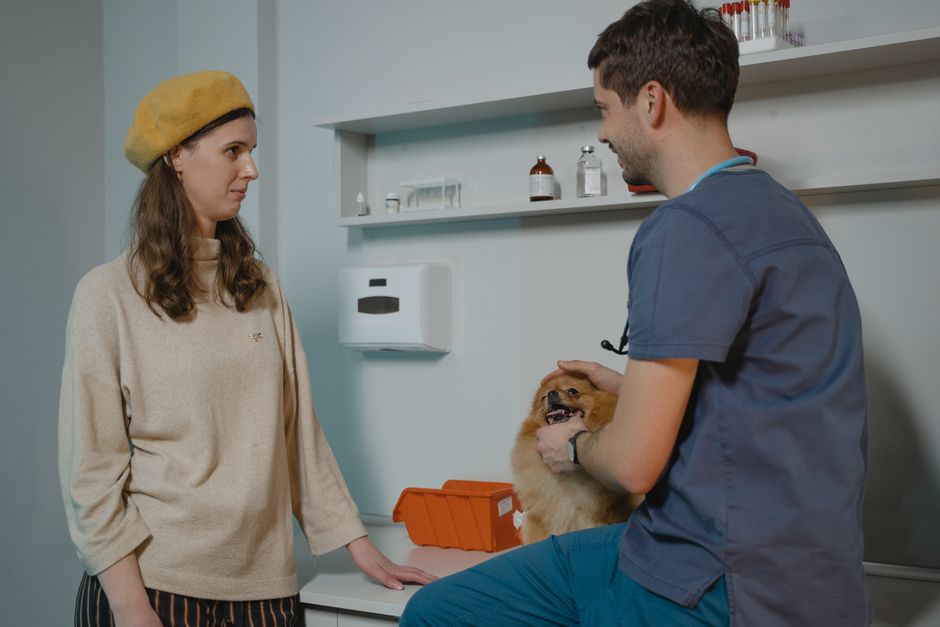
However, professional intervention is crucial for any pet exhibiting signs of heatstroke. At Houston Veterinary Clinic, our veterinary team is trained to provide immediate care, including intravenous fluids, oxygen therapy, and careful monitoring of vital signs. Heatstroke can quickly cause organ damage, so prompt treatment is essential for the best possible outcome. For less severe cases of heat stress, our team can assess your pet for dehydration or related complications and recommend supportive care to aid recovery.
If you are unsure whether your pet’s symptoms require urgent attention, it is always safest to err on the side of caution. Our veterinarians are available to advise you on the next steps or schedule an urgent appointment if needed. You can learn more about our emergency and urgent care services to understand how we support pets during unexpected health crises.
Keeping Your Pets Safe: Prevention and Home Care Strategies
Prevention is the cornerstone of summer pet safety. Adjusting your daily routines to accommodate the Georgia heat can go a long way in keeping your dogs and cats comfortable and healthy. Walking your dog early in the morning or late in the evening, when temperatures are cooler, helps reduce the risk of overheating. Always provide access to fresh, cool water throughout the day, refilling bowls frequently to encourage hydration.
Shade is essential for outdoor pets, but even in a shaded yard, high humidity can still pose risks. Consider bringing pets indoors during the hottest parts of the day, particularly between 10 a.m. and 4 p.m. For cats, ensure they have access to cool, ventilated spaces inside the home. Using fans or air conditioning can help maintain a safe environment, especially for breeds prone to heat stress.
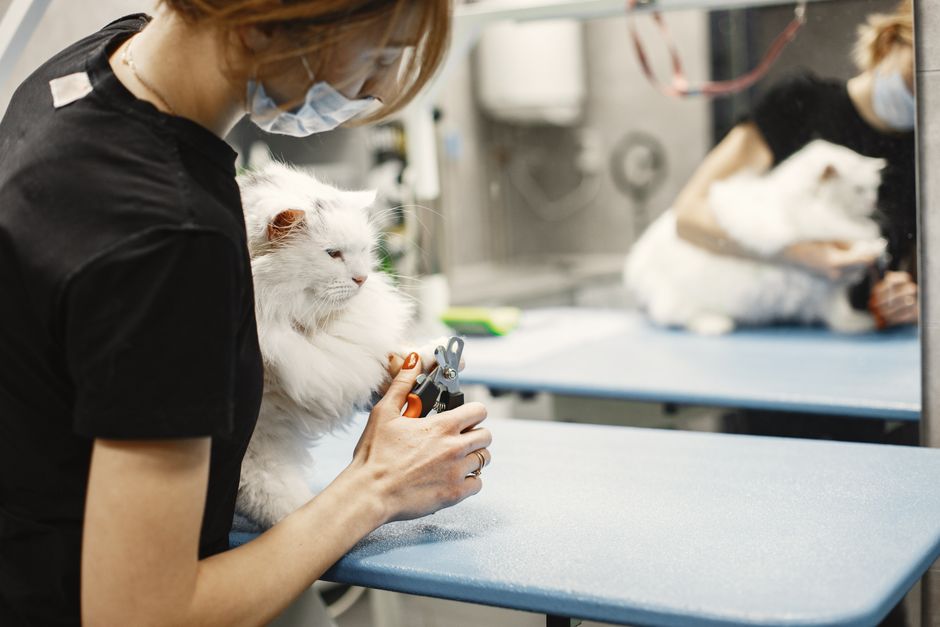
Never leave your pet in a parked car, even for a few minutes. When driving, keep the air conditioning on and avoid unnecessary stops. Check the pavement with your hand before walking your dog; if it feels too hot for your skin, it can burn your pet’s paw pads. Grooming can also play a role in heat safety, as regular brushing removes excess fur and helps improve air circulation against the skin. However, avoid shaving your pet without veterinary guidance, as their coat also provides sun protection.
Interactive play indoors, frozen treats, and cooling mats are excellent ways to help your pets beat the heat without risking their health. For more tailored advice on your pet’s specific needs, a wellness examination with our veterinary team can help you develop a personalized summer care plan.
When to Call Your Veterinarian: Recognizing Emergencies
Knowing when to seek veterinary care is vital during the summer months. If your dog or cat is panting heavily, drooling excessively, unable to stand, vomiting, or showing signs of confusion or collapse, these are all urgent signs that require immediate attention. Persistent lethargy, loss of appetite, or uncharacteristic behavior after exposure to heat should also prompt a call to your veterinarian.
It is always better to consult with a veterinary professional rather than waiting to see if symptoms resolve on their own. Rapid intervention can prevent complications and improve outcomes for pets suffering from heat stress or heatstroke. If you are ever uncertain about your pet’s condition, reach out to our veterinary team right away. We are here to support pet owners in Warner Robins and surrounding communities, guiding you through the decision-making process and providing expert care when it matters most.
Trusted Local Support for Heat Safety and Year-Round Pet Health
As the summer sun continues to shine over Warner Robins, keeping your pets safe from heat-related dangers should be a top priority. By recognizing the signs of heat stress, understanding the unique risks posed by our local climate, and implementing proactive care strategies, you can help your dogs and cats enjoy a healthy, happy summer season.
If you have any concerns about your pet’s wellbeing or need advice on managing summer heat, our team of veterinarians at Houston Veterinary Clinic is here to help. Schedule an appointment for a wellness examination or reach out for guidance if you notice any warning signs. When searching for a veterinarian near me, look for a practice that truly understands the challenges of keeping pets healthy in Warner Robins’ August weather.
For expert pet care, call us at (478) 929-0361 or visit us at 109 Avalon Circle, Warner Robins, GA 31093. At Houston Veterinary Clinic, your pet’s safety and comfort are always our highest priorities.
This blog is for informational purposes only and is not a substitute for professional veterinary advice. If your pet is experiencing an emergency, contact your veterinarian immediately.